
From Tea Gardens to Classroom Doors: How CURE India is Partnering with Frontline Workers to Ensure Every Child Walks Free from Disability.
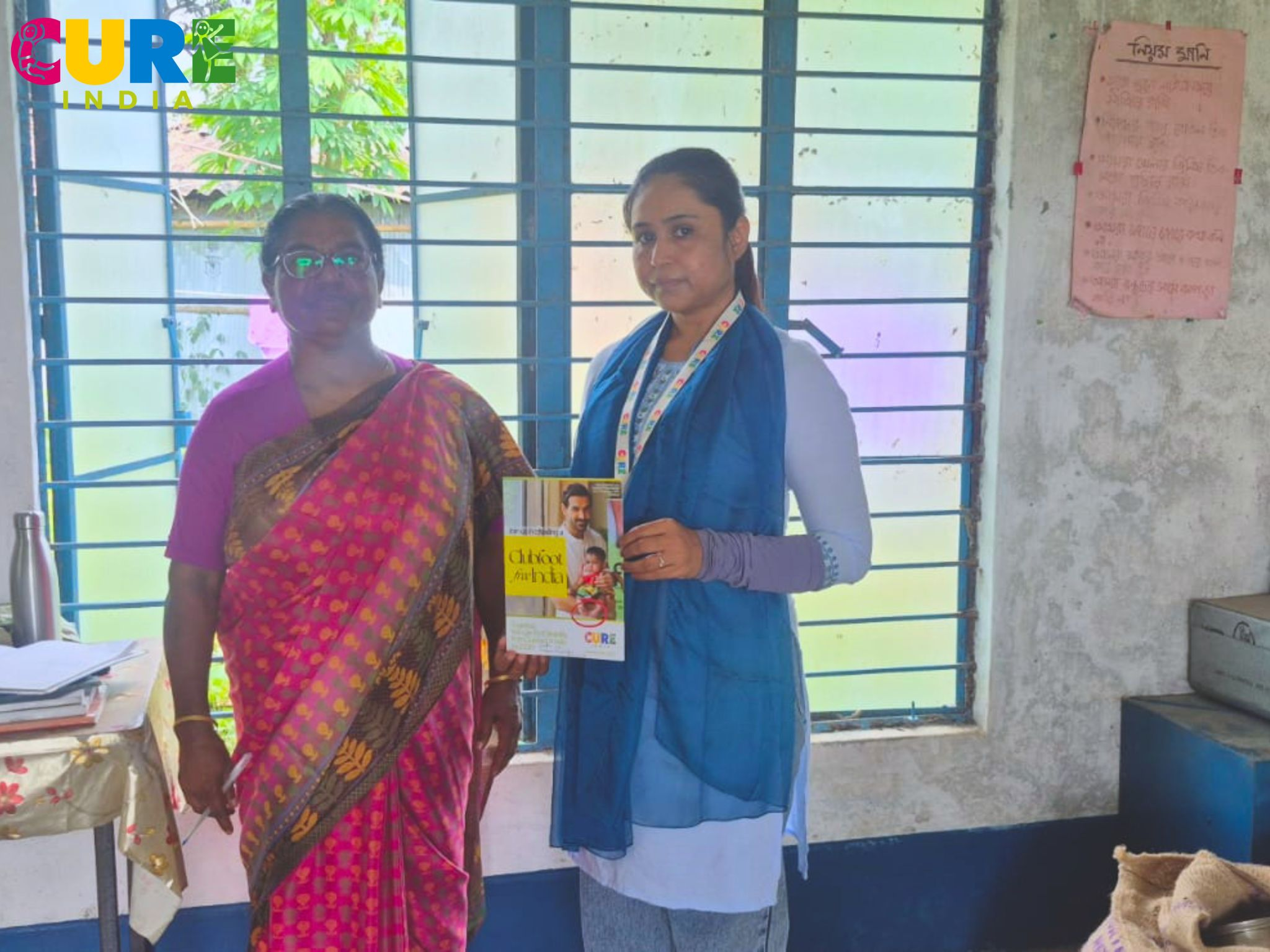
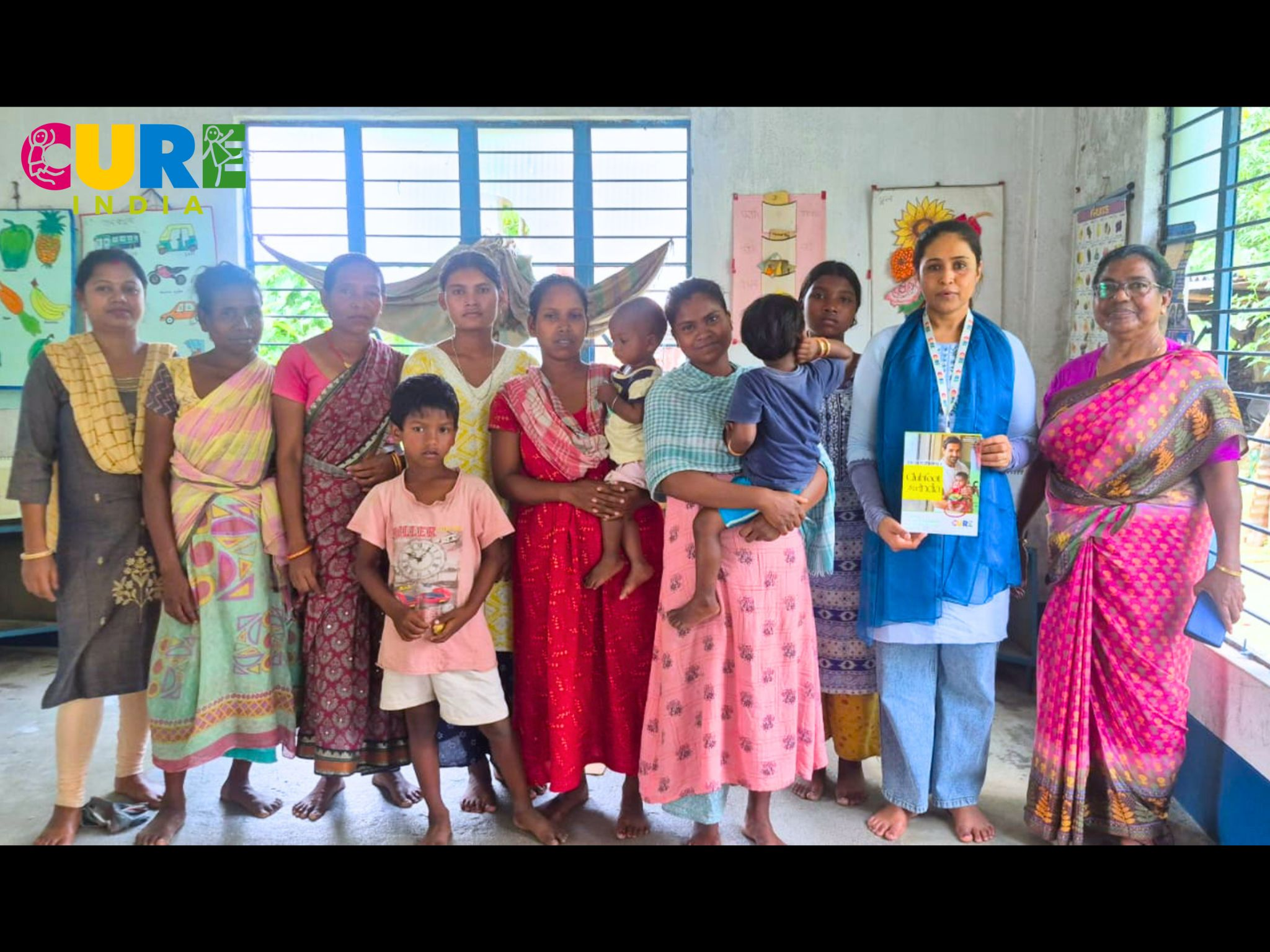
In the picturesque hilly terrain of the Darjeeling district, a quiet but profound movement is unfolding. While the region is globally renowned for its sweeping tea gardens, CURE India is on the ground to address a different kind of landscape—the future mobility of its children. Recently, our dedicated team member, Ms. Rina, carried the vital message of early identification and intervention directly to the grassroots, conducting intensive clubfoot awareness visits across local schools and Anganwadi centres.
By engaging with those who stand at the frontline of early childhood development, CURE India is building a resilient network of hope. This ensuring that a child born with clubfoot in West Bengal receives the gift of physical independence before their first major steps in life.
The success of any community-based healthcare initiative relies entirely on local trust and integration. In Darjeeling, Ms. Rina conducted deeply meaningful interactive sessions with community leaders who observe children daily. Key interactions included:
When a child is born with clubfoot, parents frequently experience initial feelings of isolation or misinformation. Many believe the deformity is permanent or requires aggressive, unaffordable surgeries. By educating Anganwadi workers and teachers to recognize the structural inward turn of clubfoot at birth, we create an immediate, localized referral pathway that saves precious time.
"When communities are informed, children receive hope earlier, treatment faster, and futures brighter. Every conversation at a local center brings us one step closer to a future where no child lives with untreated clubfoot."
During her visits, Ms. Rina focused heavily on educating the community on the safety and absolute efficacy of the Ponseti method. As the global gold standard for treating clubfoot, this technique avoids invasive surgeries through a structured, gentle regimen of manual manipulations and serial plaster casts applied during an infant’s first few months.
Following the casting phase, the correction is sustained through the use of a specialized FAB (Foot Abduction Brace) worn during sleep and play. At CURE India, we emphasize to parents and healthcare workers alike that when the Ponseti method is initiated early, the structural correction is nearly 100% successful. This allows children to walk, run, and attend school fully integrated with their peers.
The field outreach in Darjeeling is a vital component of a vast, highly coordinated national effort. Recognized widely as one of the Top 10 NGO’s in India, CURE India has established immense institutional credibility through clinical precision and absolute transparency of fund usage.
We proudly manage the largest clubfoot program in the world. Backed by a strong national presence across every state, our medical networks have documented the most number of clubfoot children treated in public health history.
| Our Milestones & Target | Objective |
| Free Treatment | Provided in partnership with government infrastructure to ensure zero financial burden on families. |
| Current Baseline | Proudly treating 33% of children born with clubfoot in India. |
| RunFree2030 Vision | Aggressively scaling operations to reach 70% of all affected children in the next 5 years. |
Eradicating clubfoot disability requires a collective effort from donors, medical professionals, corporate partners, and the general public. Your advocacy and support can instantly transform a child's destiny.
We extend our deep gratitude to Ms. Jamuna Roy Mondal, Ms. Swarnali Hembram, and the entire community network in Darjeeling for their incredible support. Together, through continuous mobilization and unbreakable partnerships, we are paving a clear, confident path toward a #ClubfootFreeIndia.
Site by NWD.