
Why Home Visits and Community Counseling are the Unsung Heroes of the World’s Largest Clubfoot Program
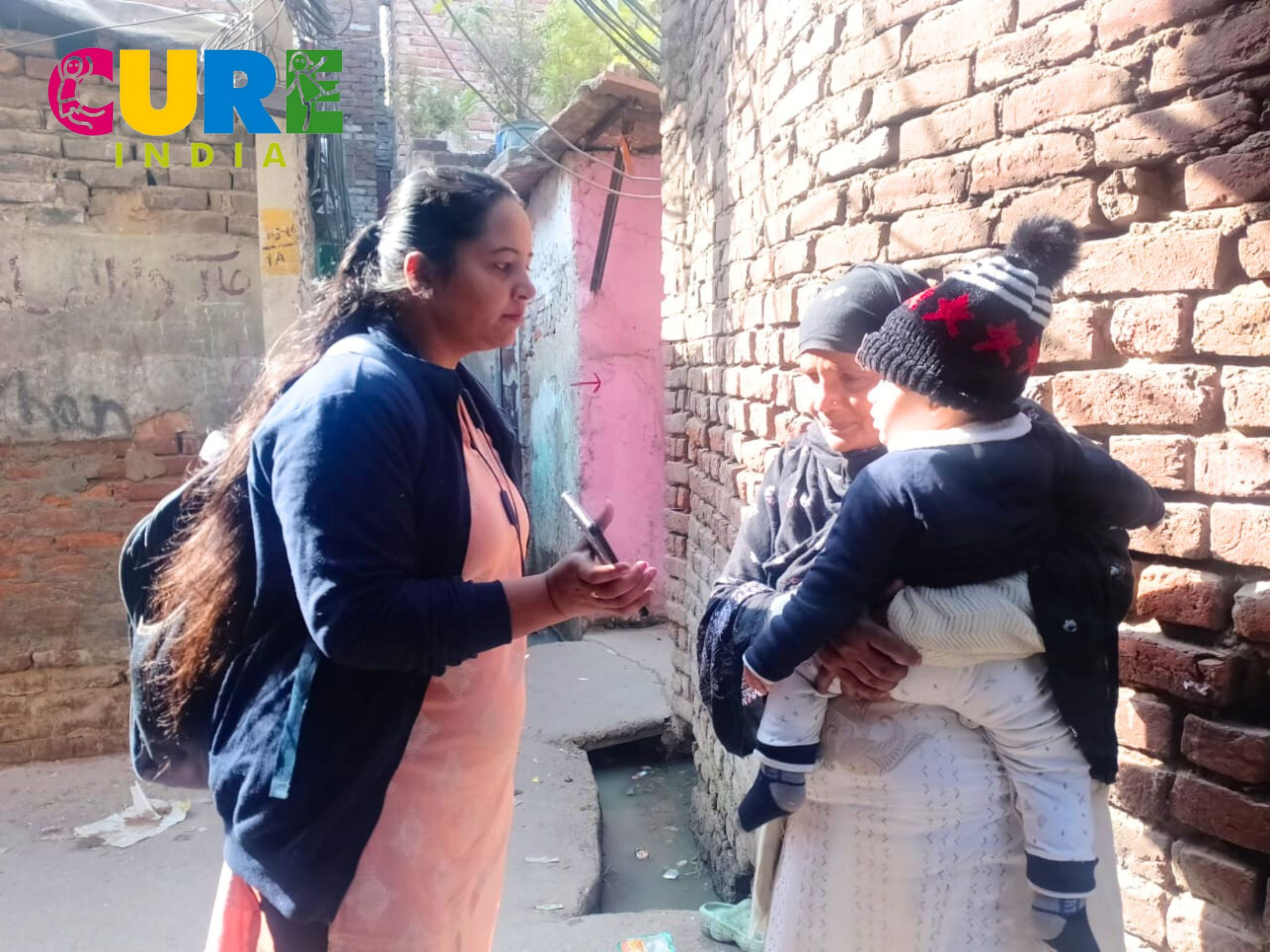
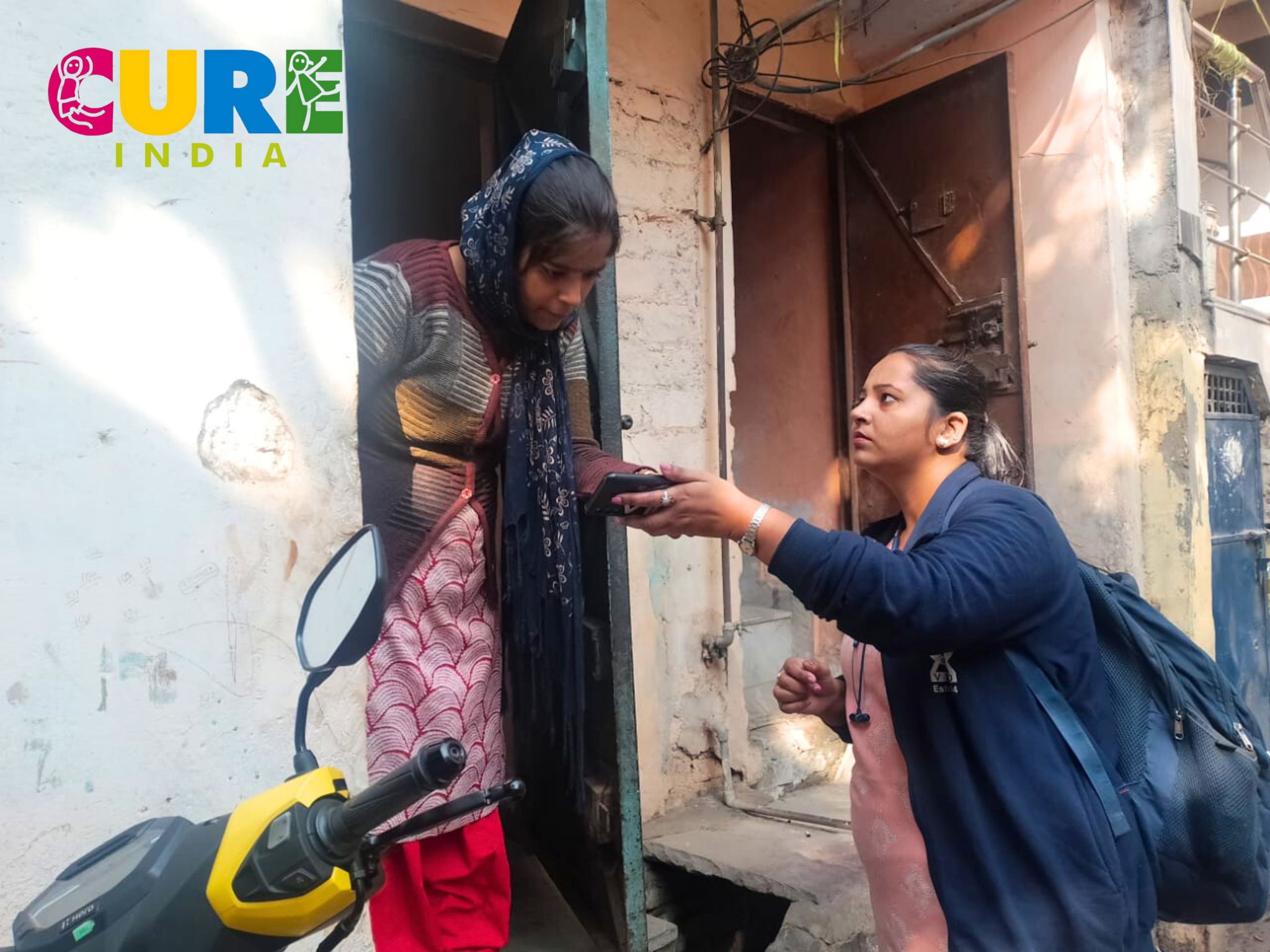
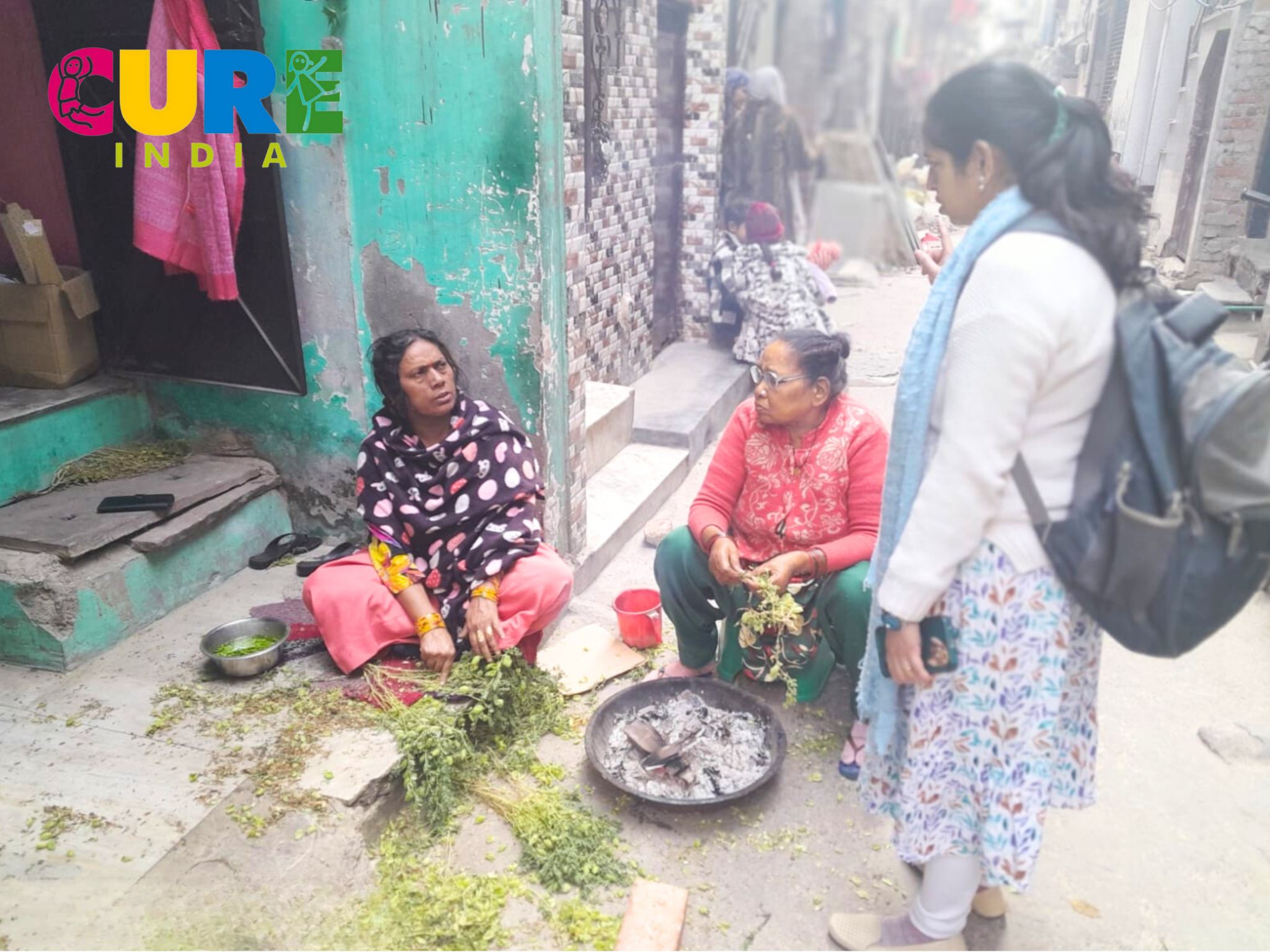
In the narrow, bustling lanes of Jahangirpuri, Delhi, the path to a hospital can sometimes feel like an insurmountable mountain for a family struggling with poverty and a child born with clubfoot. When a child stops showing up for treatment, it is rarely due to a lack of love. More often, it is a combination of logistical barriers, economic strain, and a lack of awareness about the long-term journey of healing.
Recently, the CURE India Delhi team refused to let one such child slip through the cracks. By taking the clinic to the community, our counselors conducted a vital home visit that transformed a family's hesitation into hope.
While medical intervention is the "how" of our work, counseling is the "why" that keeps families committed. For many, the sight of their child in a series of plaster casts can be daunting. Our counselors serve as the backbone of CURE India, providing the reassurance and guidance needed to navigate the Ponseti method.
Through focused counseling in Jahangirpuri, our team addressed specific barriers to care—answering questions about the duration of treatment and the necessity of follow-ups. This personal, grassroots approach builds a foundation of trust, ensuring that the "last mile" of healthcare is not just a distance on a map, but a connection made in a living room.
"At CURE India, we believe that no child should be excluded from a future of mobility simply because they cannot reach the hospital. Our mission is to ensure that the hospital reaches them."
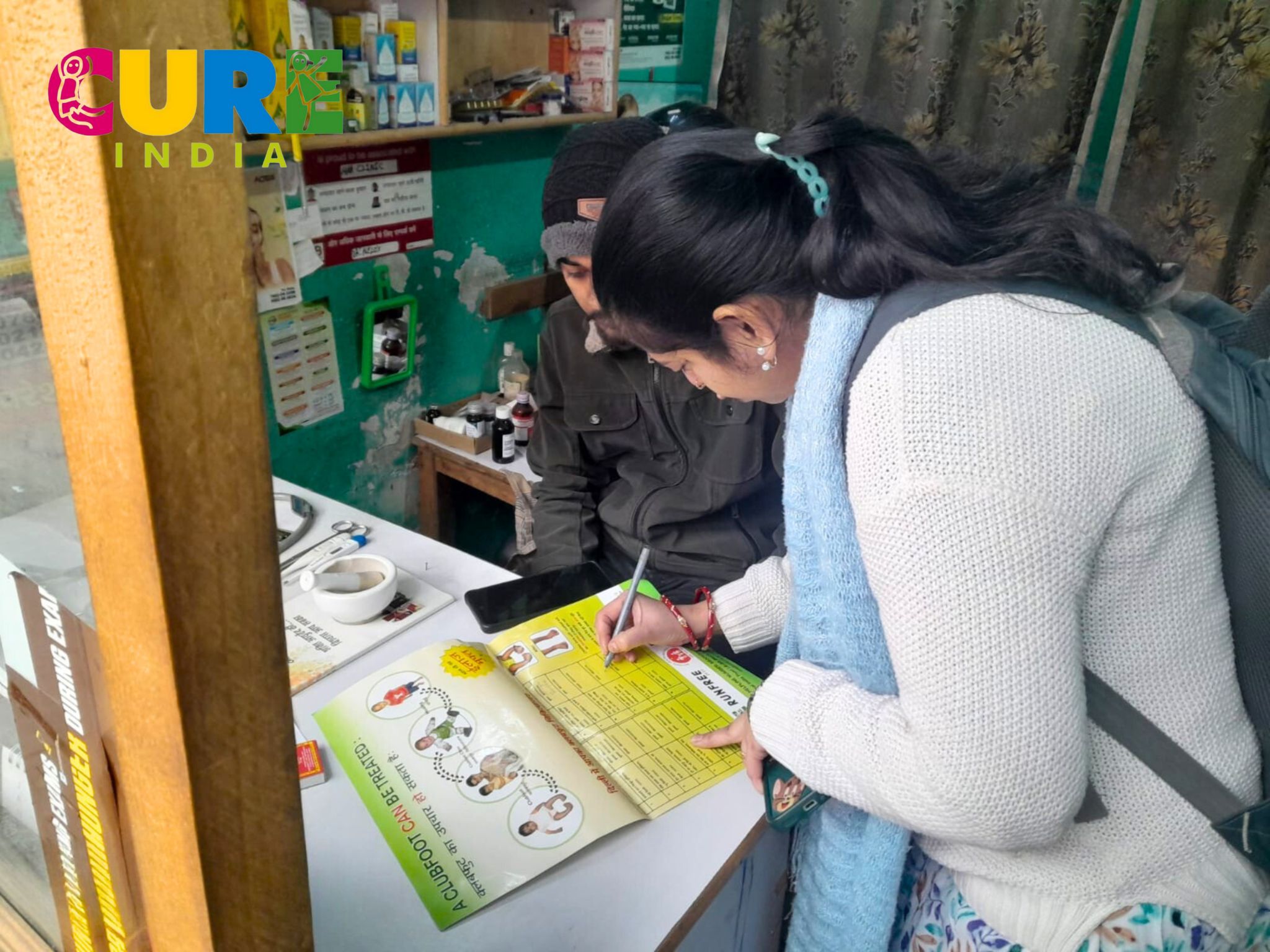
Alongside the home visit, our team conducted a specialized awareness session at a private clinic in the area. Engaging private healthcare providers is a strategic priority for any NGO aiming for deep social impact.
By sensitizing local doctors and caregivers on:
We are creating an ecosystem where every "first point of contact" becomes a gateway to Free Treatment.
Our clinical success is built on the Ponseti method. This globally recognized treatment involves a series of gentle manipulations and corrective plaster casts. Once the feet are corrected, the child transitions to wearing a FAB (Foot Abduction Brace).
The FAB is essential for maintaining the correction and preventing relapse as the child grows. By providing these braces and the entire treatment process for free, CURE India removes the financial burden that often forces families to discontinue care.
Our commitment to reaching the "unreached" in places like Jahangirpuri is why CURE India is recognised to be among the Top 10 NGO's/Non-Profits in India/in the country. This recognition is a reflection of our:
While we celebrate every individual victory in Delhi, our eyes are on the national horizon. The scale of untreated clubfoot in India remains a significant challenge, but we have a clear roadmap for the future.
| Metric | Current Status | 5-Year Goal (RunFree2030) |
| Children Treated | 33% of births in India | 70% of births in India |
| Outreach Scope | Major Urban/Rural Hubs | Deep Grassroots Penetration |
| Treatment Cost | Free for all families | Free for all families |
The transition from treating 33% to 70% of children born with clubfoot requires an urgent mobilization of resources and hearts.
This Christmas and throughout the year, your support is what allows our counselors to keep walking those narrow lanes in Jahangirpuri.
Together, we can ensure that every child in India, regardless of where they live, receives the care they deserve. Let’s turn those small, uncertain steps into a confident run toward a better future.
Together, we make hope walk.
Site by NWD.